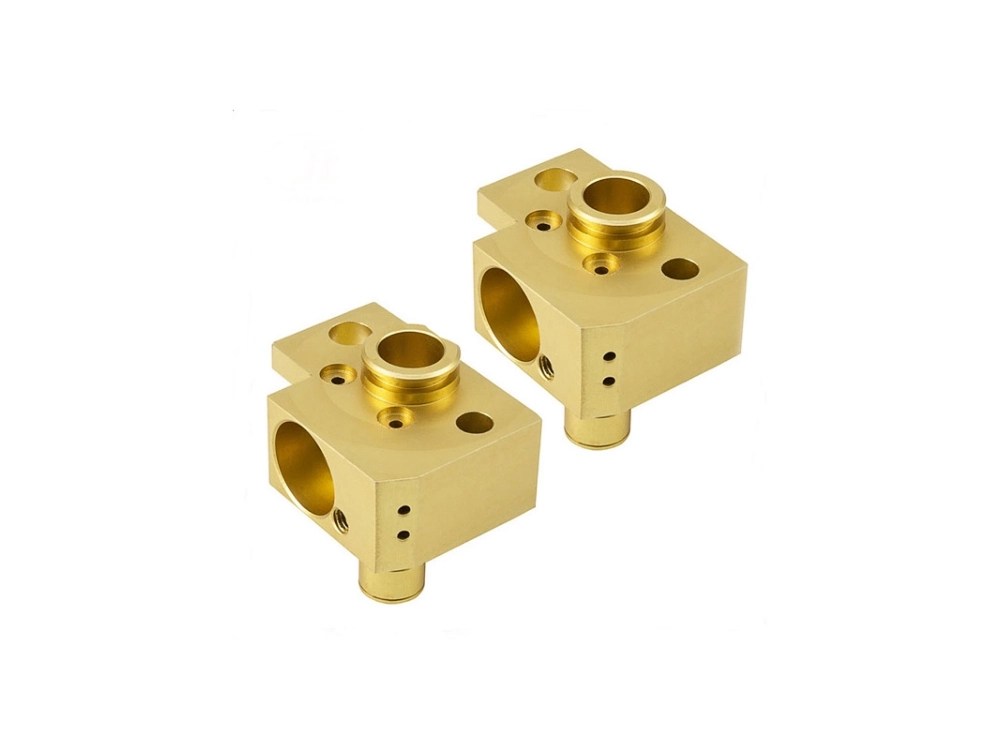

Anodizing aluminum is an electrochemical surface treatment process that converts the outer surface of aluminum parts into a controlled aluminum oxide (Al₂O₃) layer. Unlike applied coatings that add a separate material layer, anodizing transforms the aluminum substrate itself to create a durable surface with improved corrosion resistance, wear performance, and appearance. In industrial manufacturing, the anodizing process typically includes surface preparation, controlled oxidation, optional coloring, and sealing to achieve consistent results for CNC-machined aluminum components.
Anodizing is a surface conversion process that modifies the outer layer of aluminum to create a protective aluminum oxide film. Instead of adding an external coating onto the component surface, anodizing transforms the aluminum substrate itself, creating an oxide layer that is chemically integrated with the base material.
This conversion layer provides several functional advantages, including improved corrosion resistance, enhanced surface durability, and better long-term stability in industrial environments. Because the oxide layer is part of the aluminum surface rather than a separate deposited material, it offers strong adhesion and reduces the risk of coating separation during service.
The main difference between anodizing and electroplating is how the surface layer is created. Electroplating deposits a new metal layer onto the substrate, while anodizing converts the existing aluminum surface into aluminum oxide. For precision CNC components, this distinction is important because surface treatment selection should be considered together with machining requirements and final part specifications. More information about this relationship can be found in how surface finishing affects CNC machining tolerances .
Aluminum anodizing is classified according to coating characteristics, performance requirements, and intended applications. In industrial manufacturing, the two most commonly specified options are Type II anodizing and Type III hardcoat anodizing.
Type II anodizing is typically selected for general corrosion protection, appearance requirements, and applications requiring flexible finishing options. Type III hardcoat anodizing is designed for more demanding environments where higher wear resistance, improved surface durability, and extended service life are required.
Choosing the appropriate anodizing type depends on the component’s operating conditions, functional requirements, and expected performance. For CNC-machined aluminum parts, selecting the correct anodizing specification before production helps ensure the final surface treatment meets both engineering and aesthetic expectations.
Type II anodizing is the most widely used aluminum anodizing process for general industrial applications. Defined under MIL-A-8625 Type II, this process creates a protective oxide layer that improves corrosion resistance while maintaining good compatibility with decorative finishing requirements.
Type II anodized aluminum is commonly applied to CNC-machined housings, electronic components, consumer products, automotive parts, and general mechanical components. Its balanced performance, availability, and finishing flexibility make it suitable for parts where reliable surface protection and consistent appearance are required.
Compared with hardcoat anodizing, Type II anodizing is generally selected for applications where extreme wear resistance is not the primary concern. It provides an effective surface treatment solution for aluminum components requiring durability, corrosion protection, and cost-effective performance.
Type III hardcoat anodizing is a high-performance anodizing process developed for aluminum components that require increased wear resistance, greater surface durability, and improved performance under demanding operating conditions. Compared with Type II anodizing, Type III creates a thicker and denser oxide layer, providing enhanced protection against abrasion, friction, and repeated mechanical contact.
This type of anodizing is commonly specified for precision industrial components where surface performance directly affects service life. Typical applications include hydraulic components, linear guides, sliding parts, fixtures, and other high-wear contact surfaces that require improved abrasion resistance while maintaining the lightweight advantages of aluminum.
The primary purpose of Type III hardcoat anodizing is functional performance rather than decorative appearance. Due to its denser oxide structure, hardcoat anodizing generally offers fewer dye color options compared with Type II anodizing. However, its superior wear resistance and durability make it a preferred choice for aluminum parts operating in harsh mechanical environments.
For engineering applications requiring long-term reliability, reduced surface wear, and enhanced protection of aluminum components, Type III hardcoat anodizing provides a specialized surface treatment solution for demanding industrial requirements.
Type II and Type III anodizing are designed for different performance requirements. Type II anodizing is commonly selected for general protection, appearance, and flexible finishing options, while Type III hardcoat anodizing is intended for applications where wear resistance and long-term surface durability are the primary priorities.
Feature | Type II Anodizing | Type III Hardcoat Anodizing |
Primary purpose | General corrosion protection and decorative finishing | High-performance wear protection |
Oxide layer characteristics | Standard anodized layer for general industrial applications | Thicker and denser hardcoat oxide layer |
Wear resistance | Suitable for normal industrial environments | Designed for high-friction and high-wear conditions |
Color options | Wide range of dye colors available | More limited due to higher coating density |
Typical applications | CNC housings, electronic components, consumer products, general mechanical parts | Hydraulic components, linear guides, fixtures, precision wear components |
When selecting between Type II and Type III anodizing, manufacturers should consider the component’s working environment, required durability, appearance expectations, and service conditions. Choosing the correct anodizing type at the beginning of a project helps ensure the finished aluminum parts achieve the intended balance between performance and appearance.
Industrial aluminum anodizing is a controlled manufacturing process designed to achieve consistent coating quality, surface appearance, and corrosion protection. For CNC-machined aluminum components, professional anodizing requires careful control of material condition, masking requirements, part geometry, and production consistency throughout the entire finishing process.
The typical industrial anodizing workflow includes five key stages:
Before anodizing, aluminum parts are inspected to confirm alloy specifications, surface condition, and finishing requirements. Areas requiring electrical contact, protection from coating, or strict dimensional control are identified in advance and planned with suitable masking methods.
Parts undergo surface preparation to remove contaminants, machining residues, and surface impurities. Controlled cleaning and etching create a consistent surface condition, helping improve coating uniformity and appearance across production batches.
During anodic oxidation, aluminum components are processed under controlled industrial conditions to achieve the specified oxide layer characteristics. Process control at this stage is essential for maintaining coating consistency, repeatability, and required surface performance.
When appearance requirements are specified, anodized aluminum parts can undergo coloring or dyeing after oxide layer formation. This allows manufacturers to achieve customized finishes while maintaining the functional advantages of anodized surfaces.
The final sealing process closes the porous oxide structure and improves corrosion resistance, stain resistance, and long-term surface stability.
Proper sealing is what gives anodized aluminum its corrosion resistance — without it, the porous oxide layer offers little protection against moisture and staining.
Through controlled management of each processing stage, professional anodizing manufacturers can produce aluminum components with consistent appearance, reliable surface performance, and repeatable quality for industrial applications.
Anodized aluminum colors are created by introducing dyes into the porous oxide structure before the final sealing process. This allows aluminum components to achieve customized appearances while maintaining the protective benefits of anodizing, making colored anodized finishes widely used in industrial, commercial, and consumer applications.
Common anodized aluminum colors include:
The final color result depends on multiple factors, including aluminum alloy composition, surface preparation quality, oxide layer characteristics, and anodizing type. Maintaining color consistency is especially important for production batches because material variations and process conditions can influence the final appearance.
Type II anodizing supports a wide range of dye colors, while Type III hardcoat anodizing typically limits color options due to coating density.
For projects requiring specific appearance requirements, manufacturers can provide customized color anodizing (Custom Anodizing Service) solutions by selecting suitable process conditions according to the aluminum alloy, part design, and application requirements.
Yes, small and precision aluminum parts can be anodized reliably when the process is properly controlled. However, compared with larger components, small parts require greater attention to fixture design, electrical contact positioning, masking accuracy, and batch consistency.
For anodizing small parts, limited surface areas and complex geometries can create additional manufacturing challenges. Incorrect fixture contact may result in visible contact marks or areas without complete oxide coverage, while intricate features may require specialized masking strategies to maintain consistent coating quality.
Professional anodizing production often requires dedicated fixturing solutions and process adjustments based on part geometry, aluminum alloy, coating requirements, and production volume. These controls help ensure that small precision components achieve uniform surface treatment without affecting critical functional areas.
This level of process control is where experienced manufacturers provide additional value. For CNC-machined aluminum components requiring reliable finishing performance, custom anodizing service (Custom Anodizing Service) and anodized CNC parts (CNC Anodizing Service) solutions can help meet specific engineering and production requirements.
Yes, anodizing can influence the final dimensions and surface characteristics of aluminum parts because the oxide layer becomes part of the component’s surface boundary. For precision-machined components, anodizing requirements should be considered during the design and manufacturing stages to ensure the finished parts maintain the required fit and functional performance.
Surface finishing processes can affect CNC machining accuracy and tolerance control, especially for components with tight dimensional requirements. When anodized parts include critical dimensions, precision fits, or specific masking requirements, these details should be defined before production. Proper coordination between machining and finishing processes helps manufacturers select suitable anodizing specifications and avoid unnecessary secondary processing.
Different aluminum alloys can be anodized, but variations in alloy composition may affect oxide layer characteristics, color consistency, and overall surface appearance. For more consistent results, manufacturers typically recommend processing parts made from the same or similar aluminum alloys within the same batch.
Yes. Anodizing can influence dimensional tolerance, so critical dimensions should be considered during machining and finishing planning.
Yes. Small and precision aluminum parts can be anodized reliably when proper fixture design, masking control, and process management are applied.
When ordering anodized aluminum parts, customers should specify the aluminum alloy, anodizing type (Type II or Type III), required color, critical dimensional tolerance requirements, and any areas that require masking or remain uncoated.
Post-anodizing machining or honing is possible for specific functional requirements, but it requires careful evaluation because removing the anodized layer may reduce the protective performance of the surface treatment. Secondary machining is generally limited to selected areas where precise fitting is necessary.
Anodizing cost depends on factors including anodizing type, coating thickness requirements, color requirements, part complexity, surface preparation needs, and production volume. Each project requires evaluation based on its specific technical specifications. For a project-specific quote, contact our team (Talk to Chiheng) to discuss your aluminum anodizing requirements.
Stop thinking more, fill out the blank below, and send us an inquiry, and you will have a professional team of board game custom products contact you to answer any questions and provide pricing.
You can send us any questions to get any information you would like to know, and we will respond to you in extremely short time.