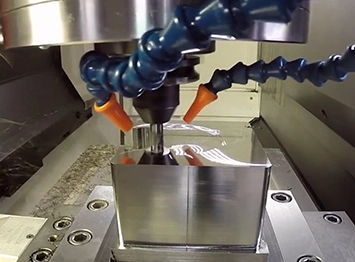
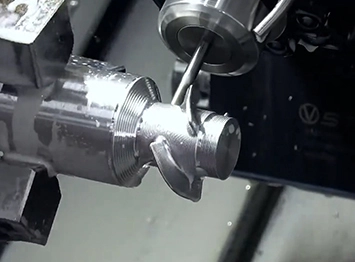
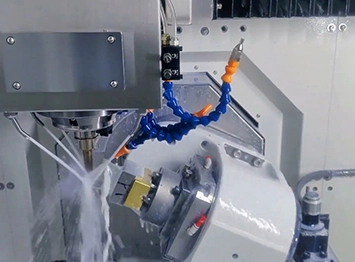
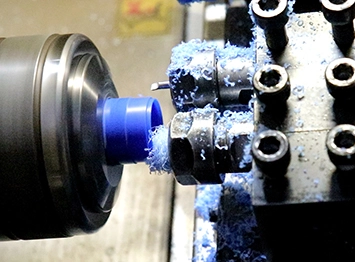
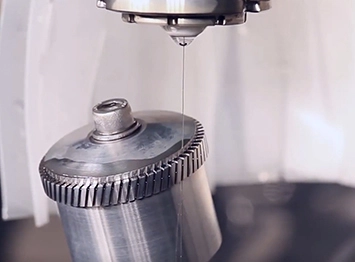
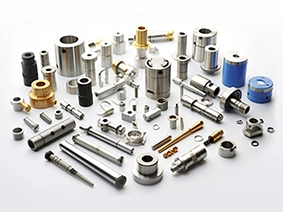
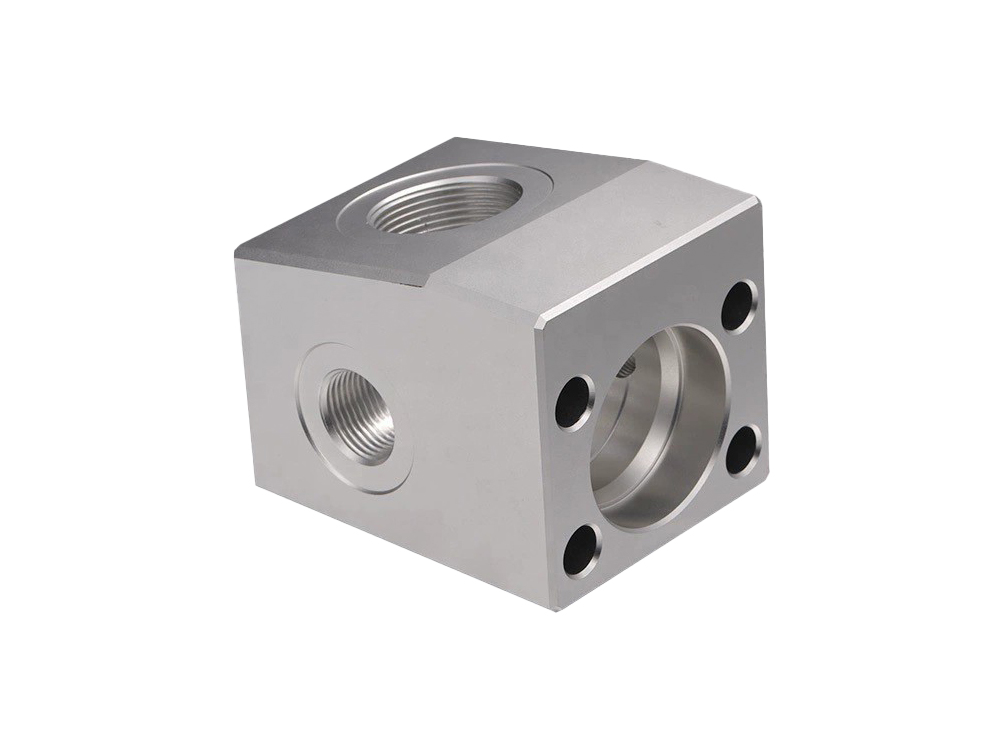
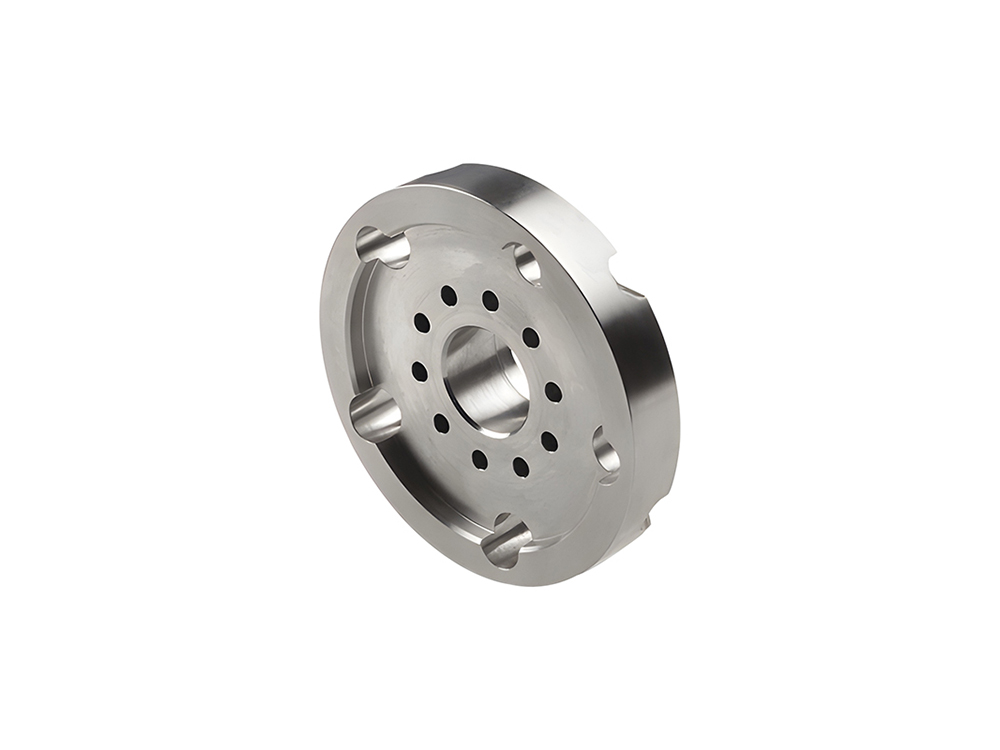
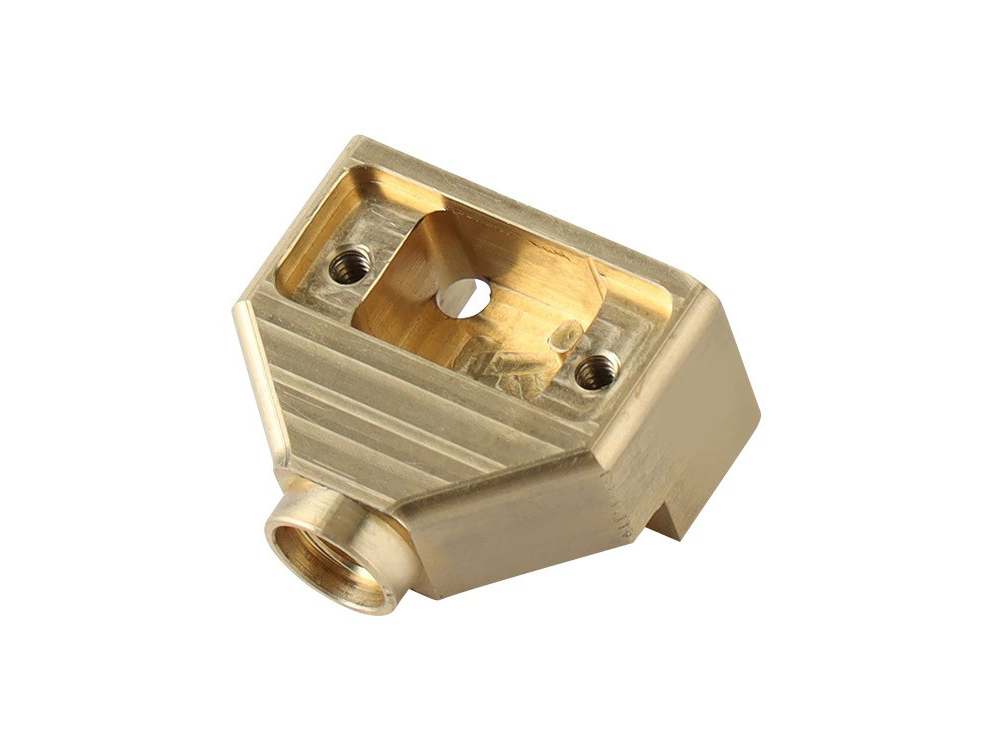
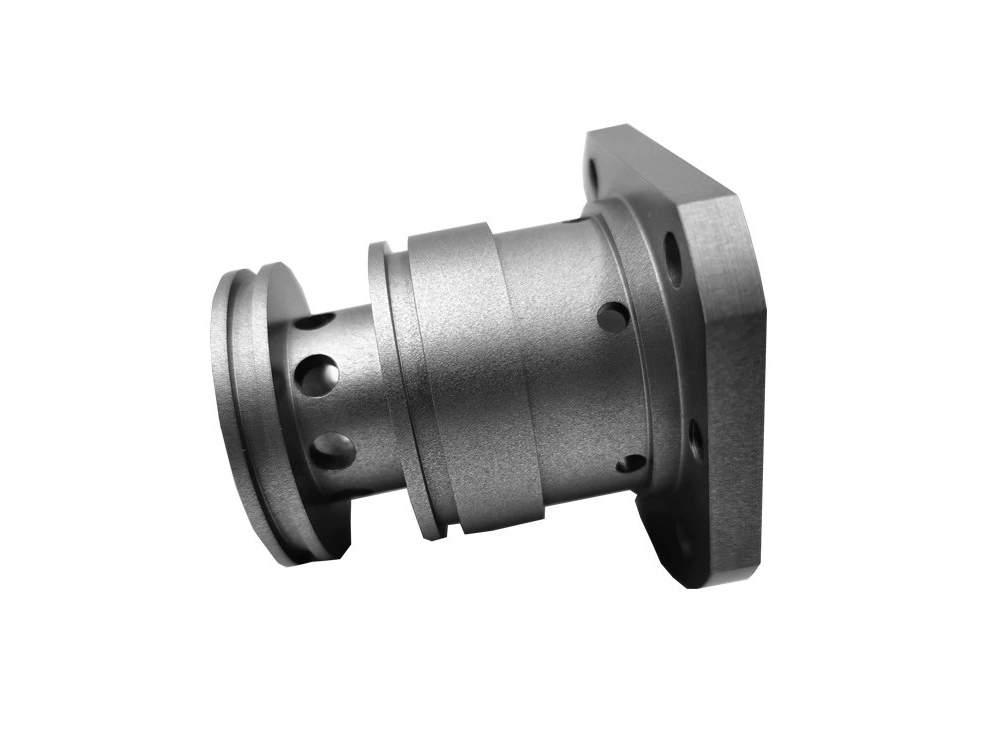
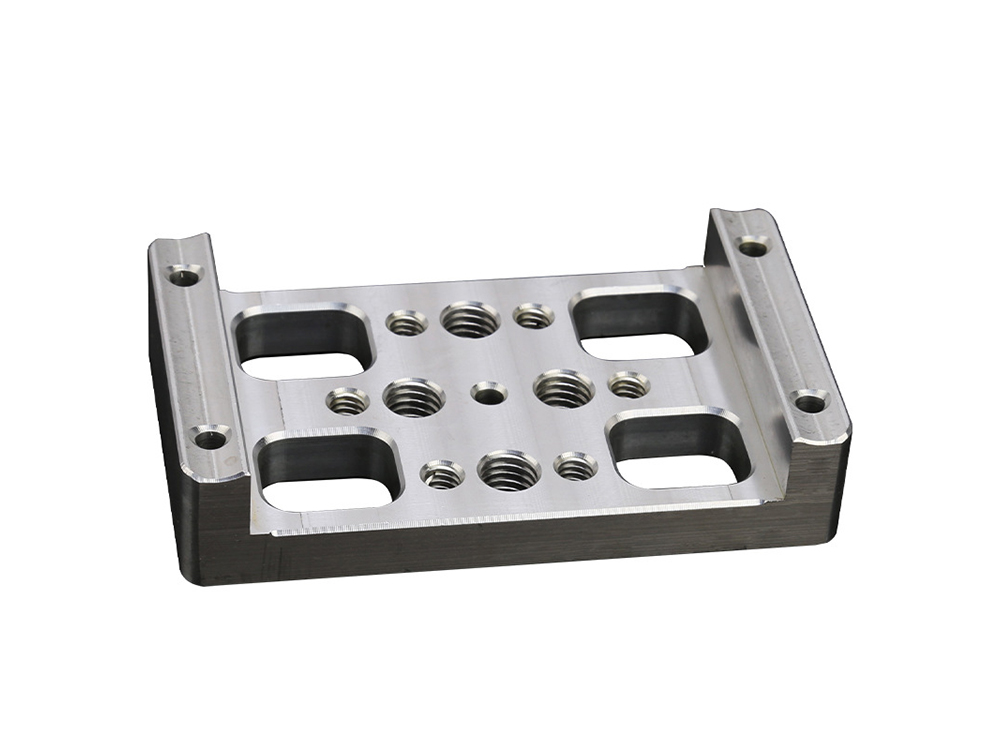
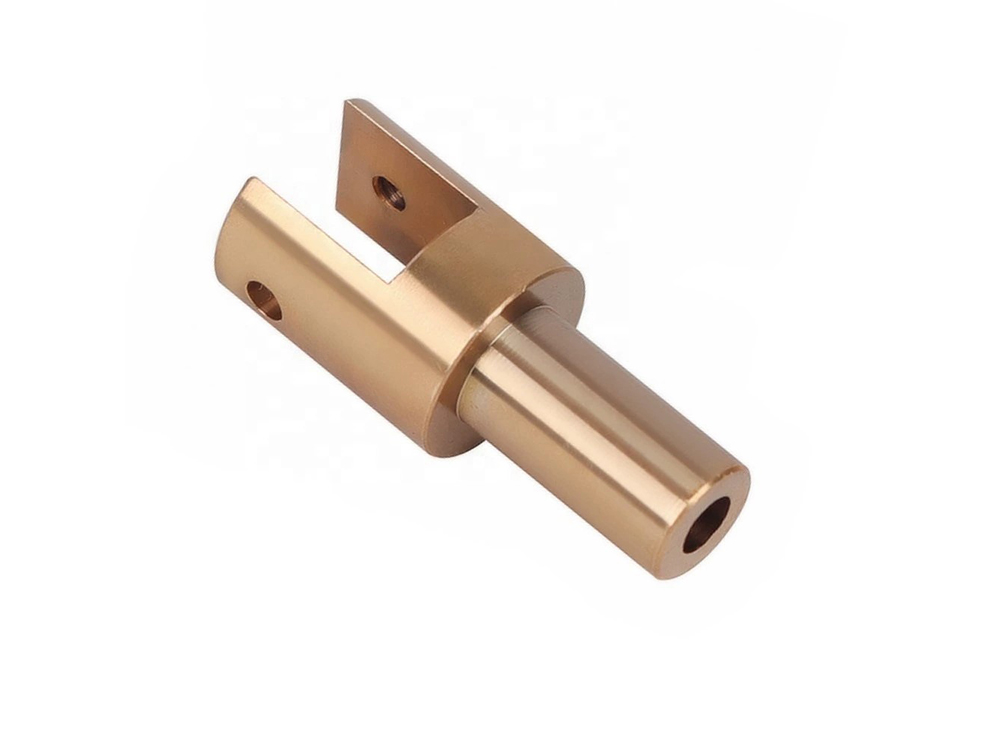
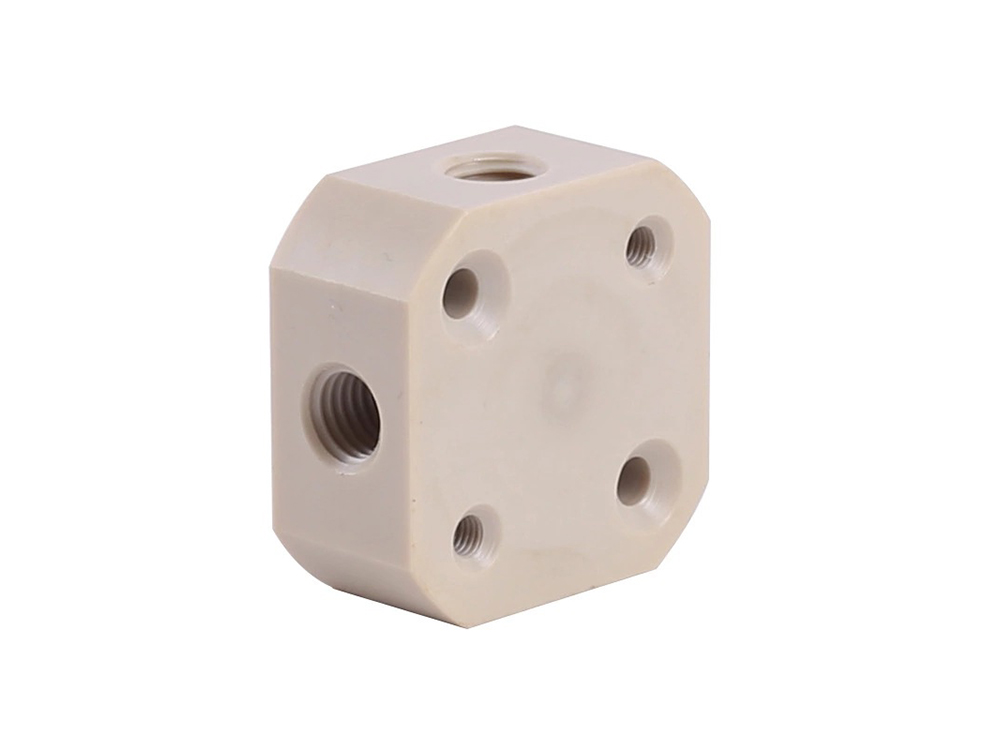
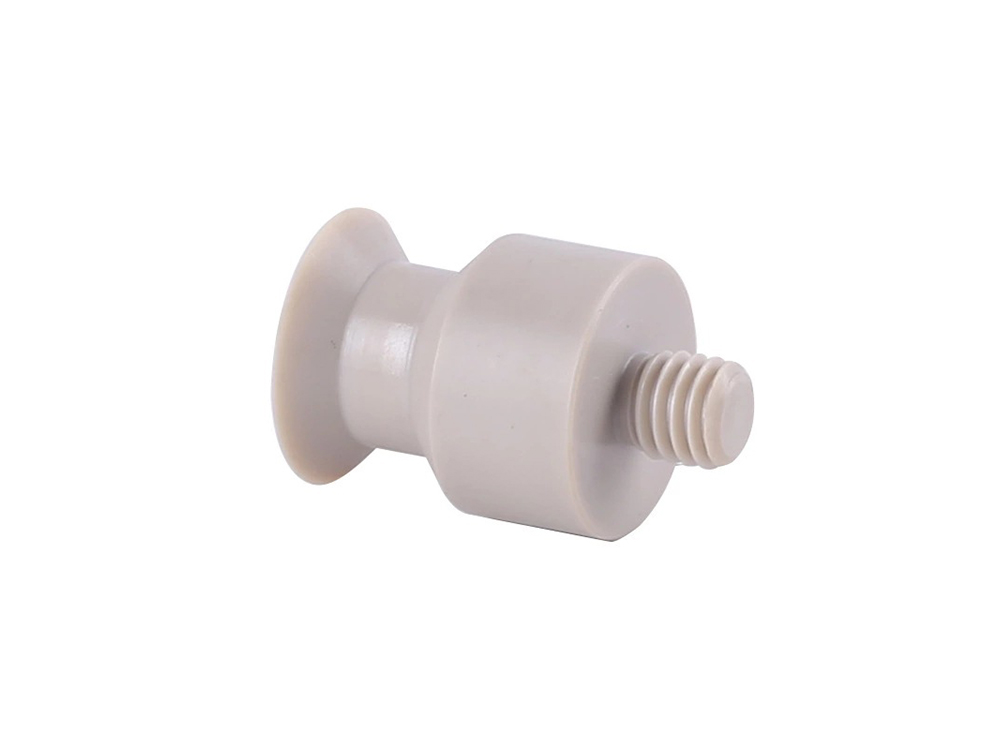
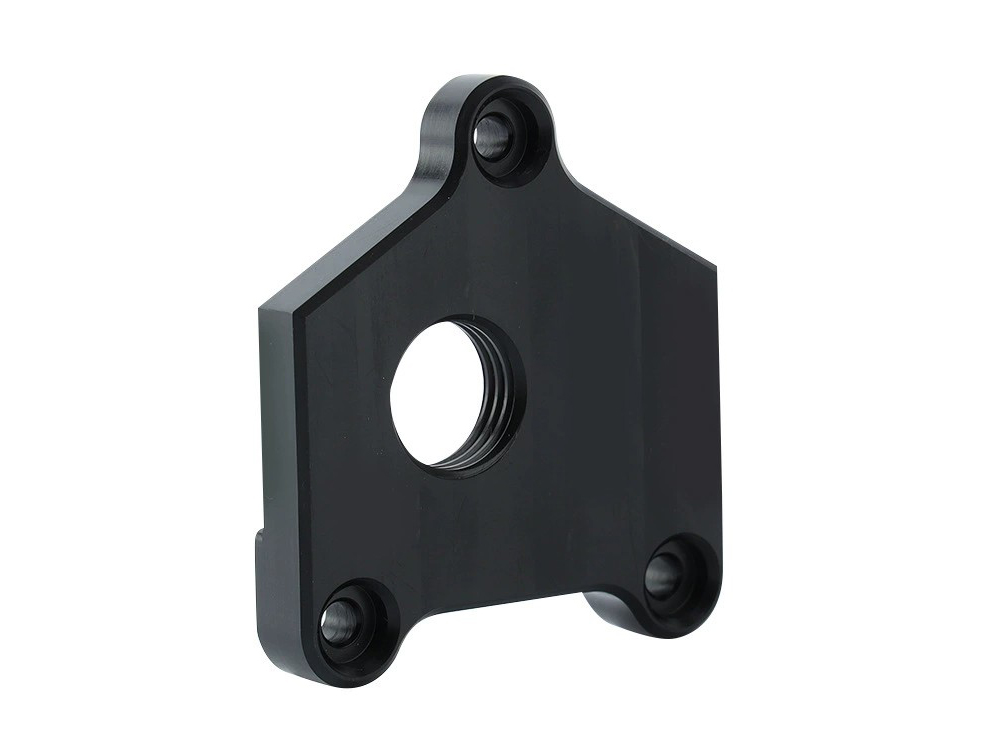
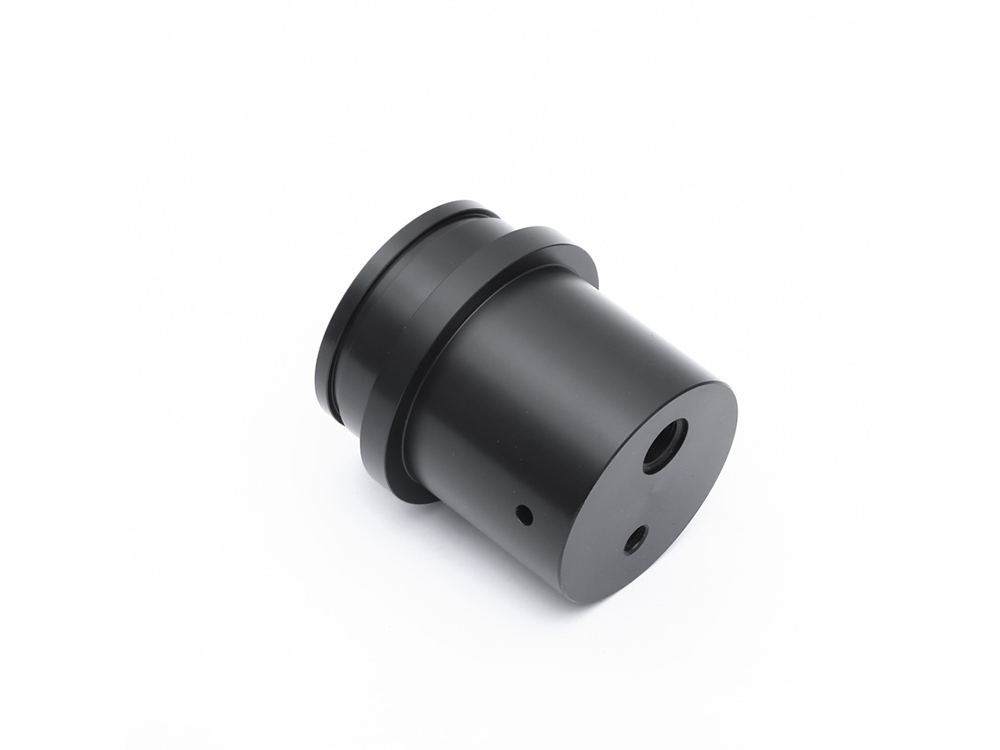
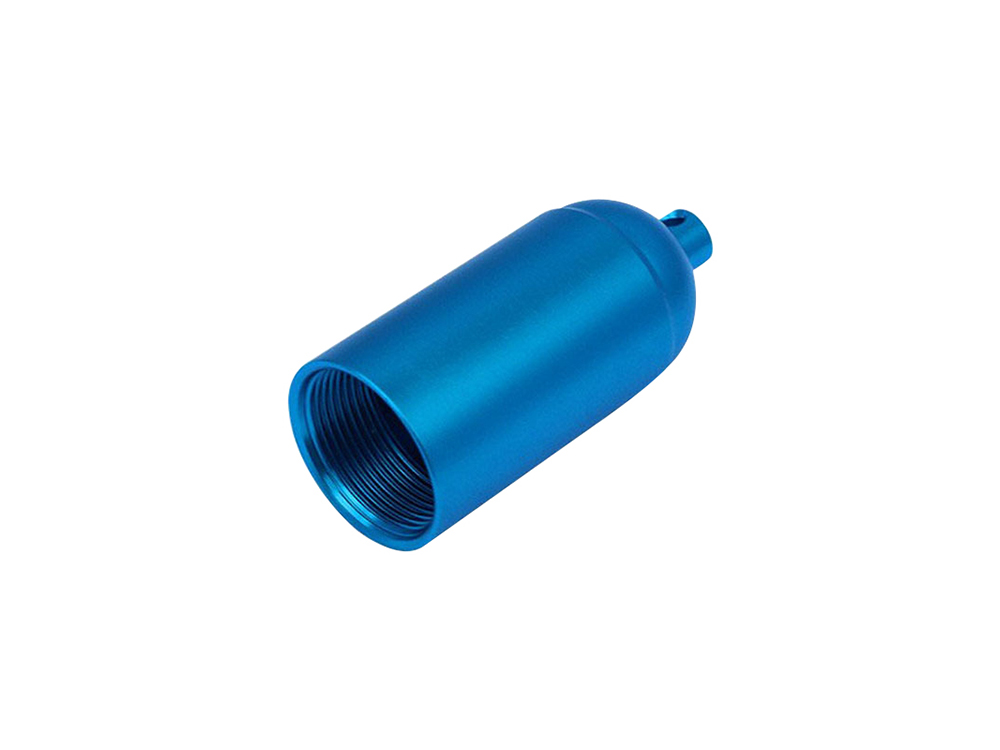
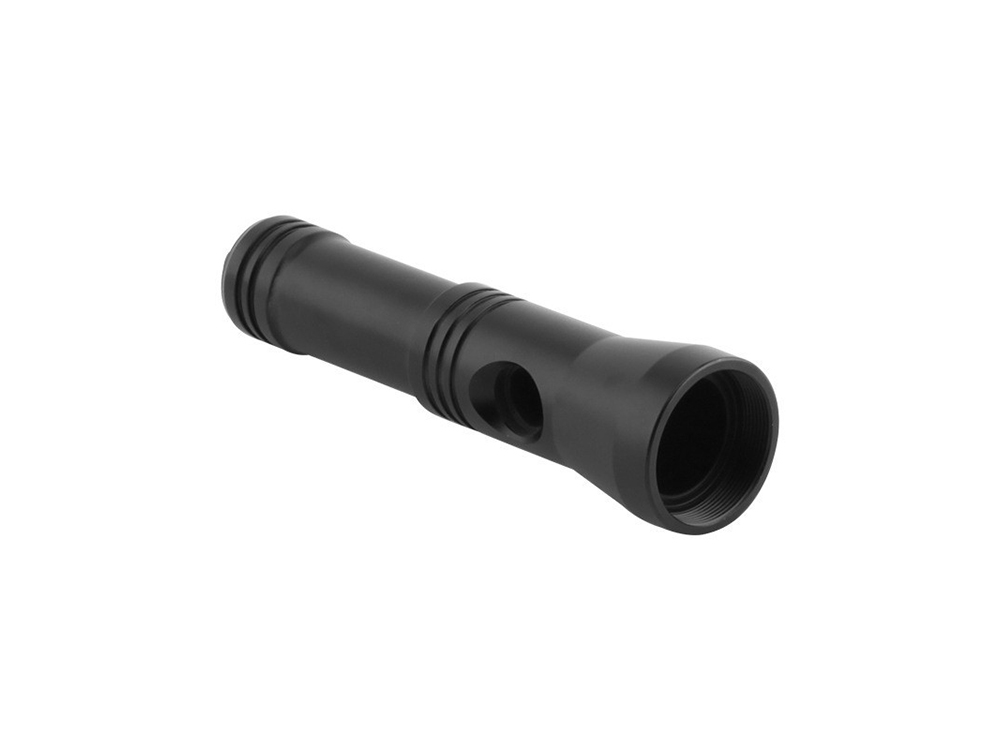
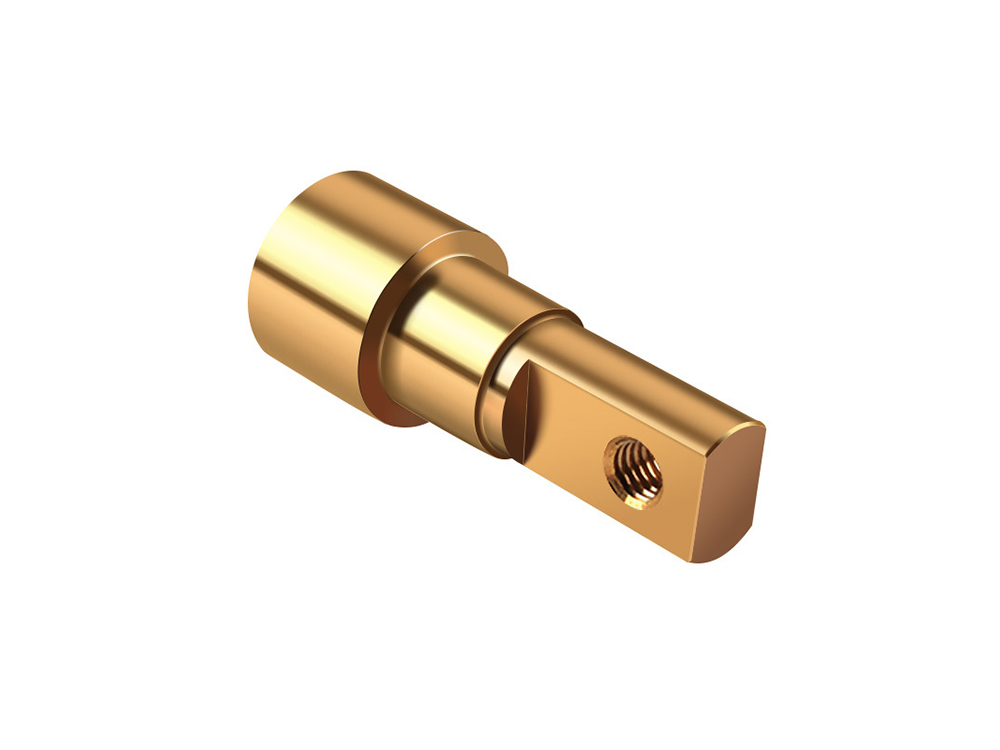
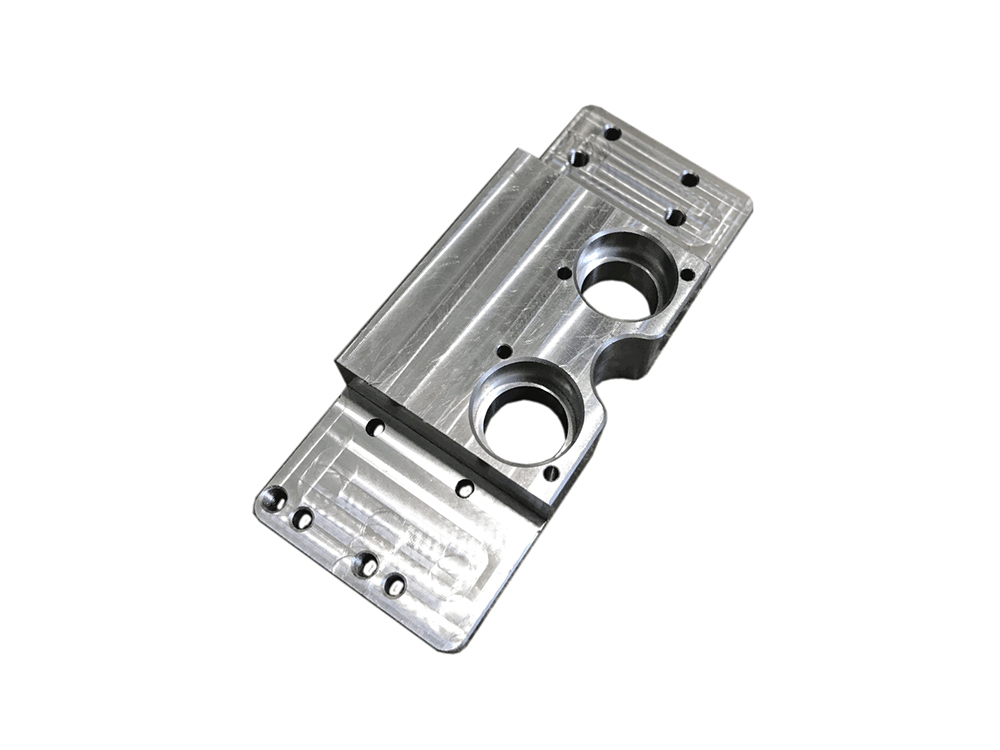
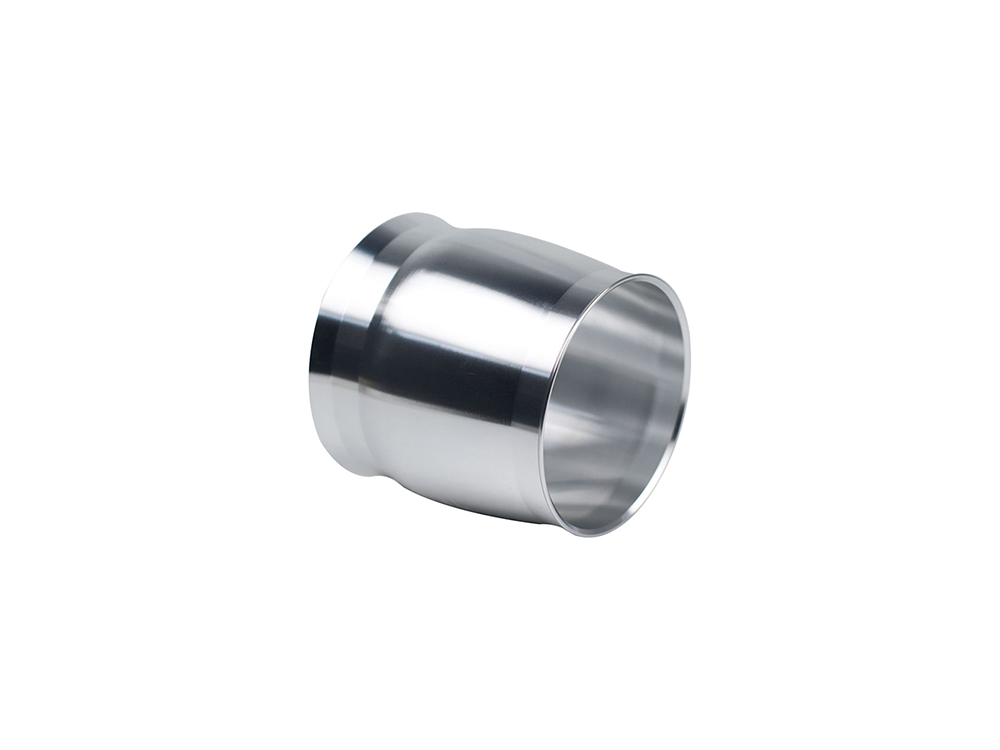
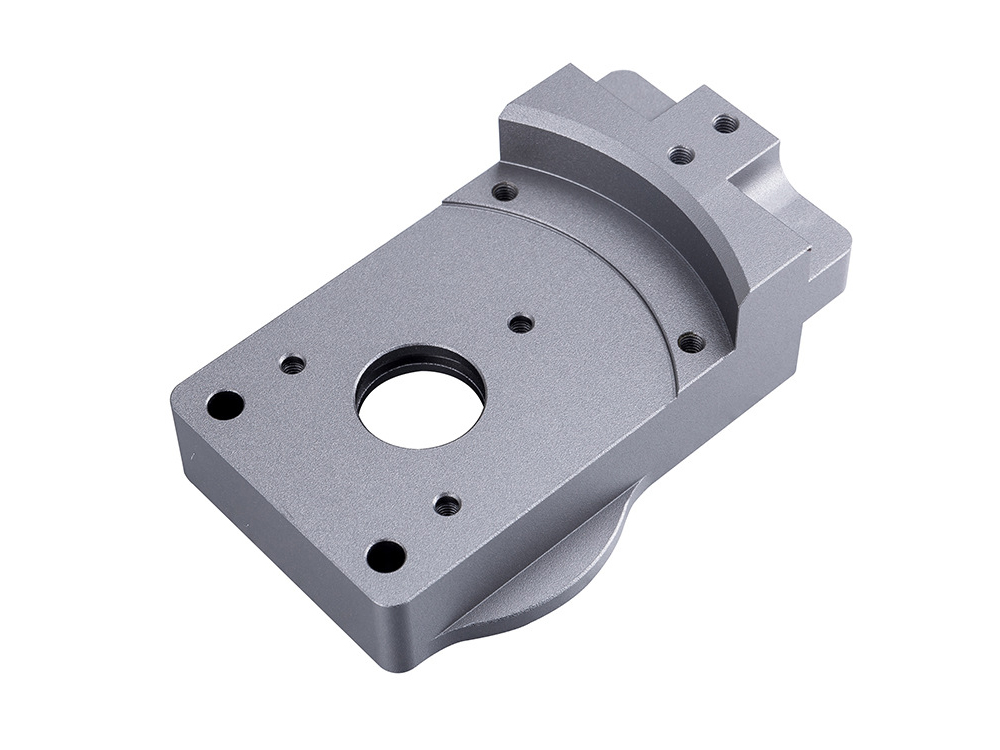
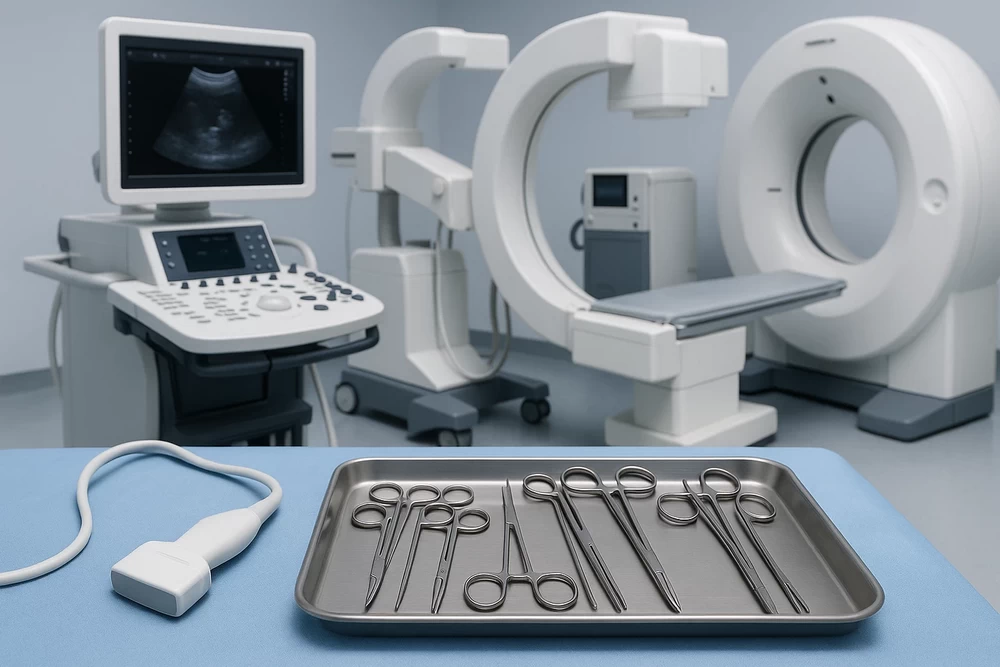
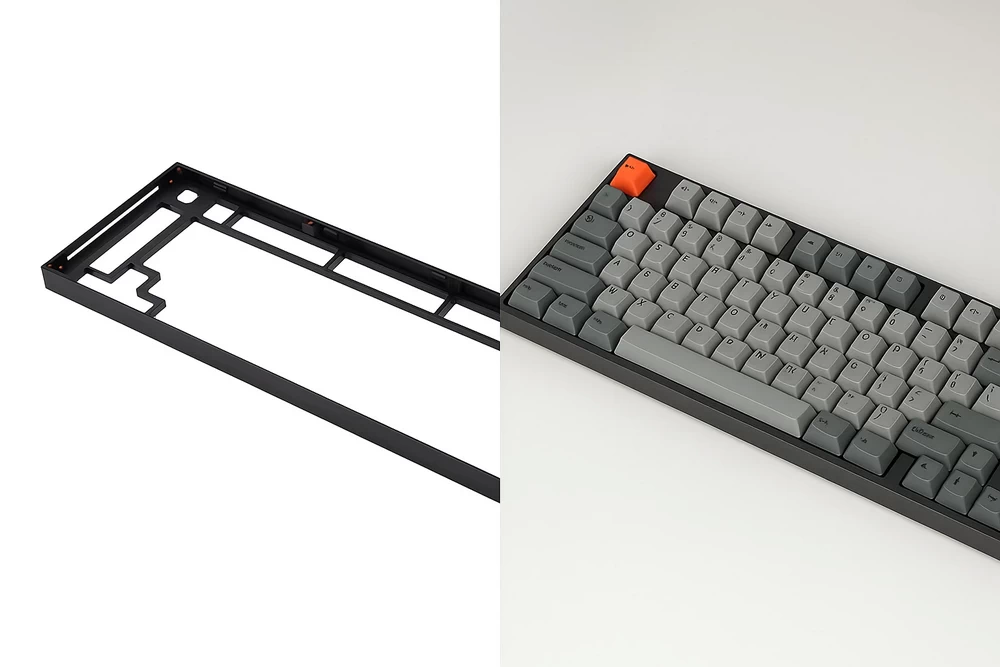
CNC prototyping belongs to the category of subtractive manufacturing, delivering outstanding accuracy and material flexibility while ensuring durability. This makes it highly suitable for producing prototypes that not only resemble the final design but also perform under real-world conditions.
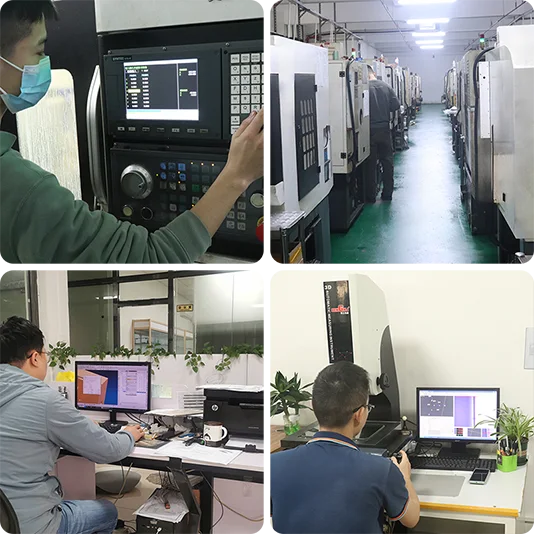
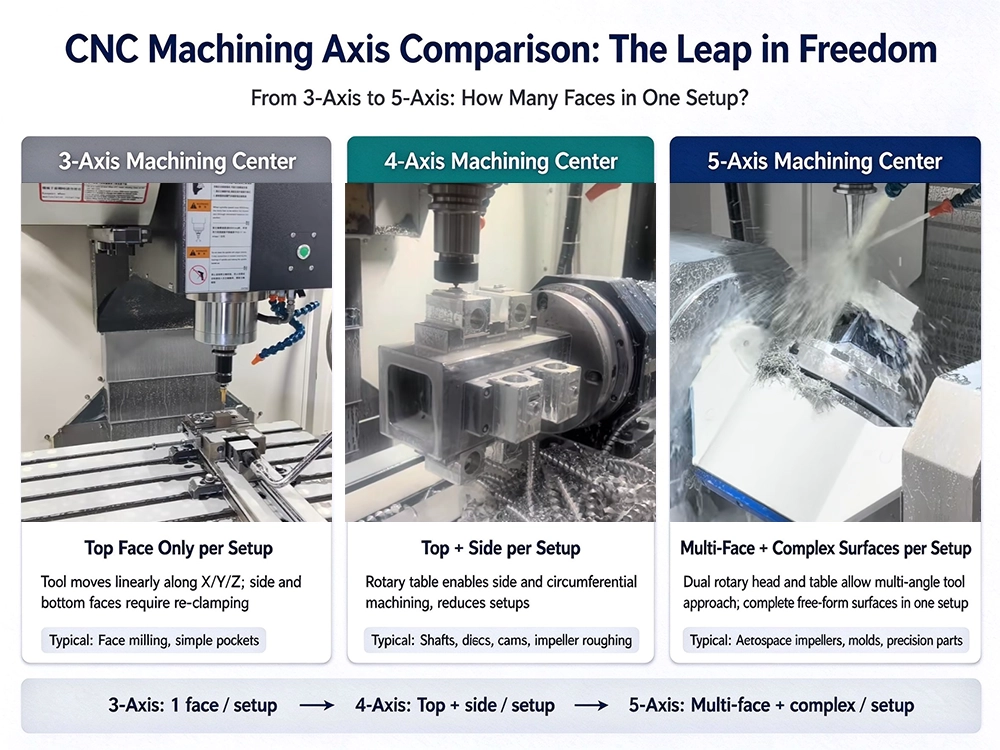
By utilizing machines such as CNC turning centers and milling equipment, along with a range of specialized cutting tools, raw stock is shaped with remarkable precision based on digital CAD data.
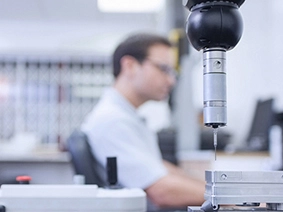
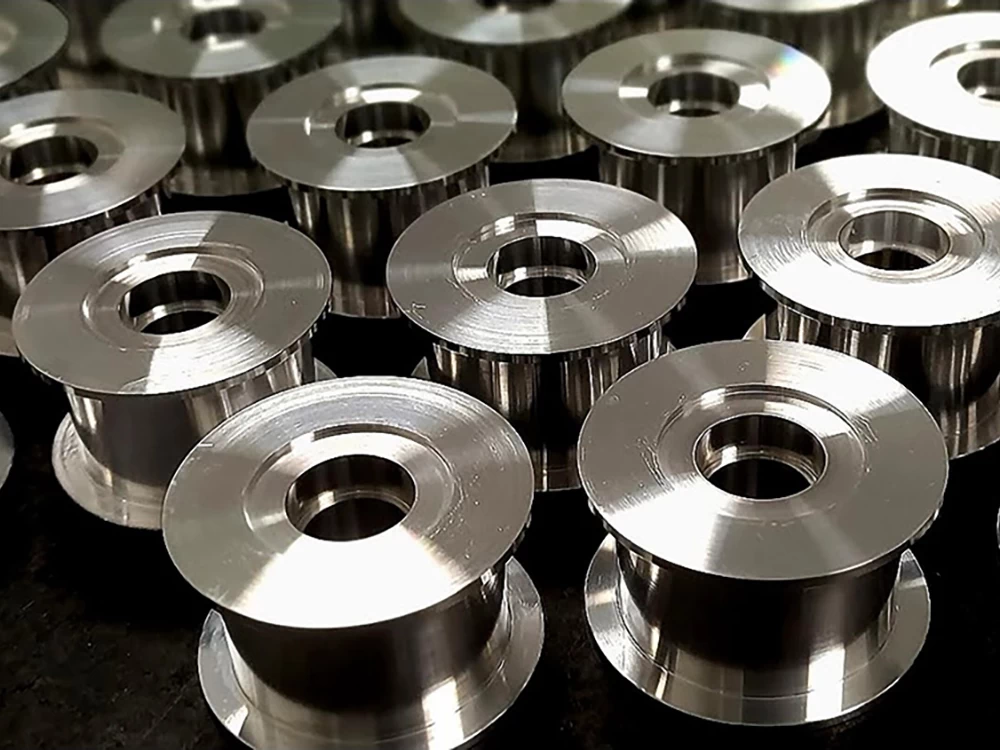
Chiheng’s dimensional tolerances can reach as fine as ±0.005 mm or even better, which is critical when components must fit together seamlessly or undergo rigorous functional validation.
In contrast with additive approaches like 3D printing, CNC machining often involves higher costs and longer lead times when handling one-off designs with intricate, organic geometries. However, it stands out when creating working prototypes from metals and advanced plastics that share the same mechanical behavior as production-grade parts.
While 3D printing is generally preferred for rapid and inexpensive concept models during the early development stage, CNC machining becomes increasingly advantageous once projects move toward limited production runs. This enables a smooth progression from initial prototype to market-ready component.