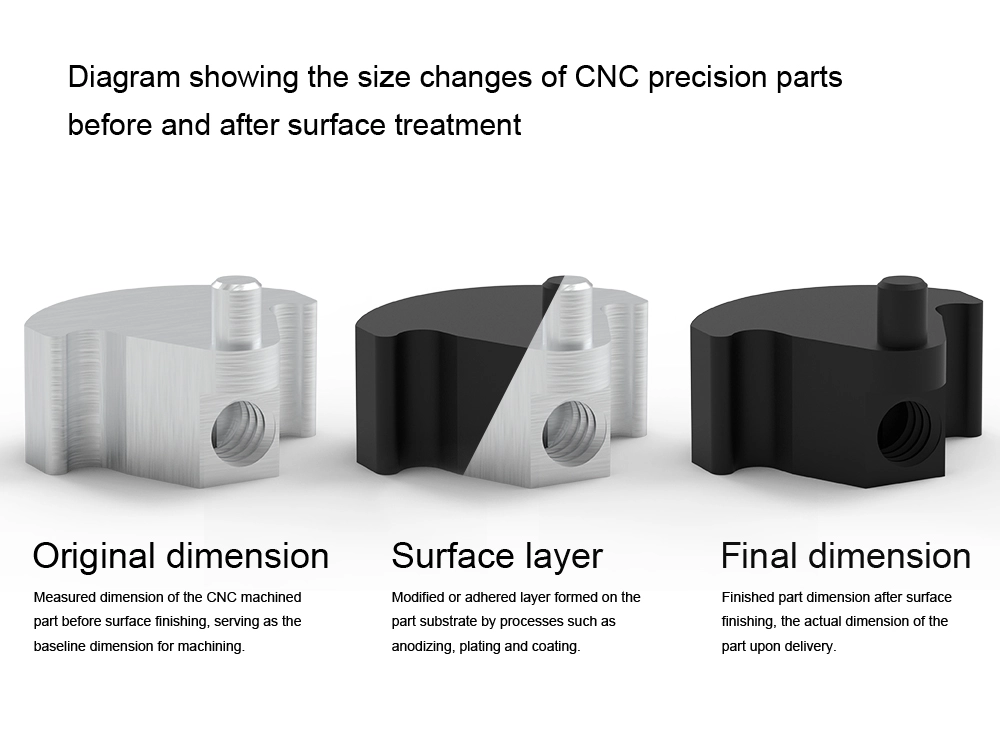
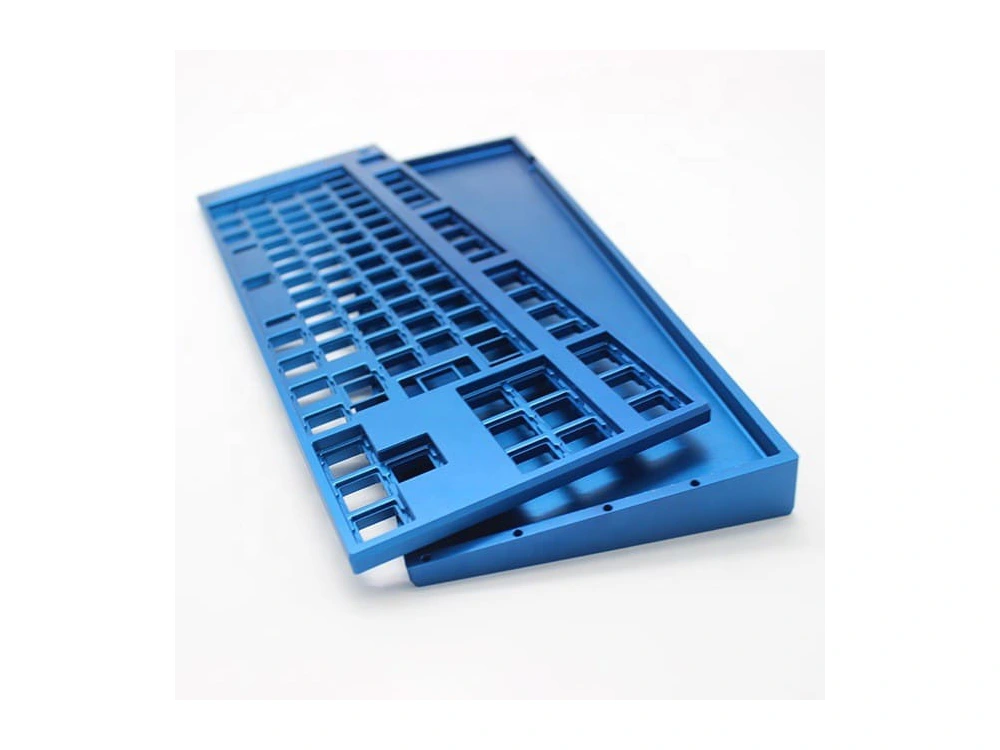
How Surface Finishing Affects CNC Machining Tolerances Yes, surface finishing can affect the final dimensions and tolerances of CNC machined parts. Plating and coating add material, while polishing and abrasive finishing remove material. The amount
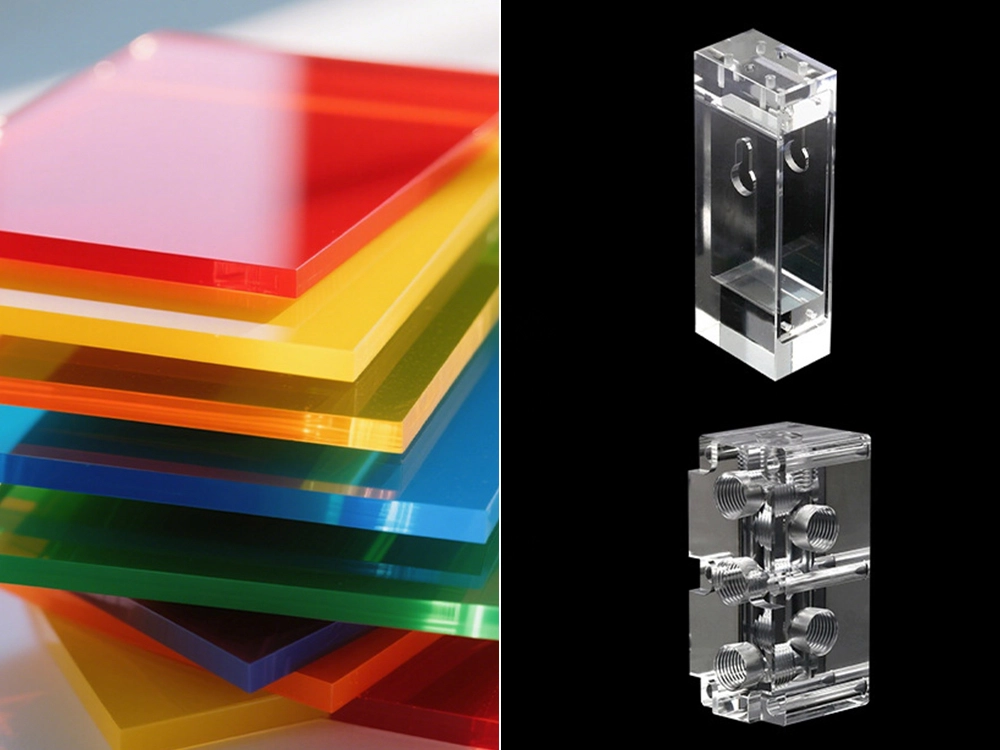
Acrylic Material Types: A Complete Guide to PMMA Properties, Manufacturing & Machining Acrylic, also known as polymethyl methacrylate acrylic (PMMA), is a transparent thermoplastic material widely used in precision manufacturing, display products, medical equipment housings,
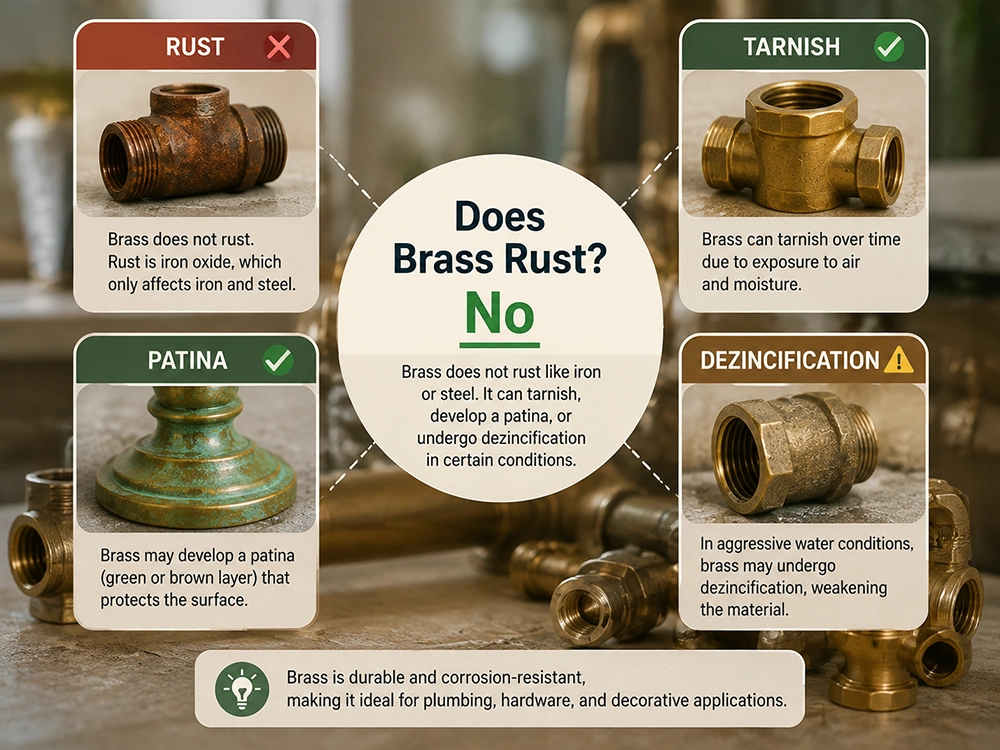
Is Brass Rust Resistant? Tarnishing, Corrosion & Durability Guide No, brass does not rust. Brass is rust resistant because it contains no iron, and rust is a form of iron oxide that only develops when
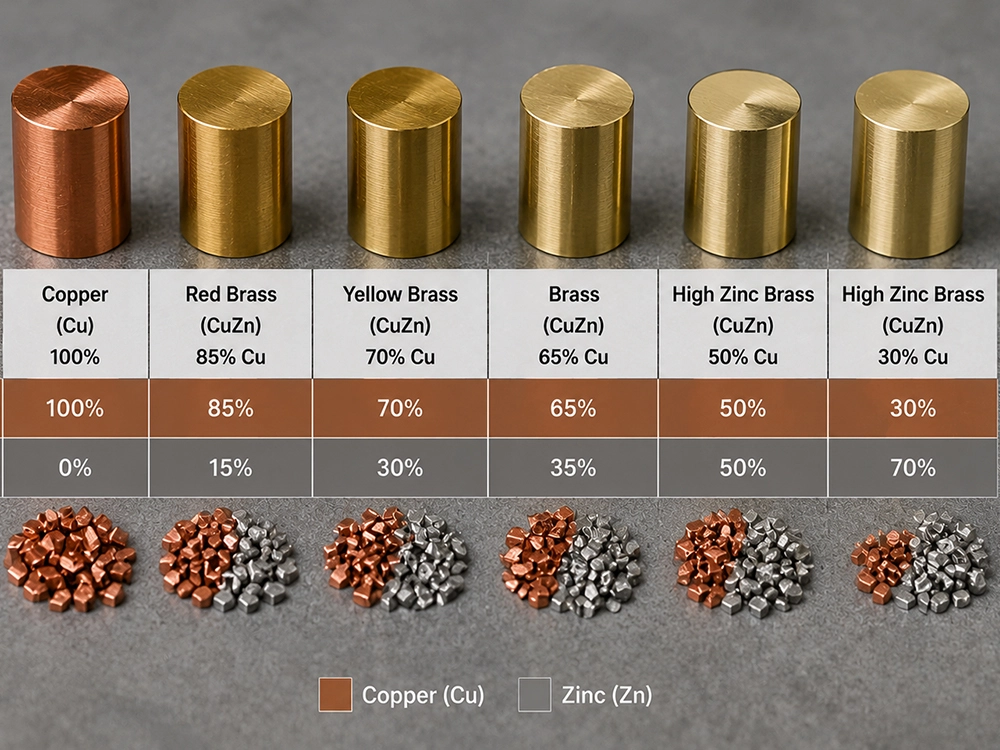
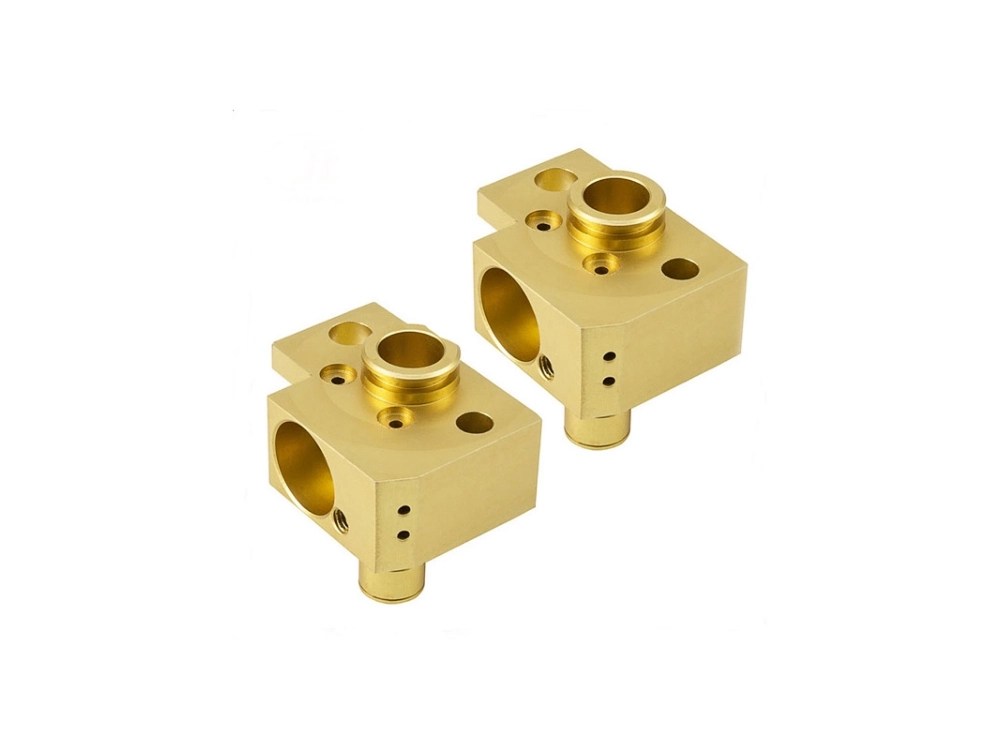
What Is Brass Made of? Composition, Alloys & Properties Explained What Is Brass Made Of? Brass is a copper-zinc alloy made primarily from 60–70% copper and 30–40% zinc, although the exact composition varies depending on
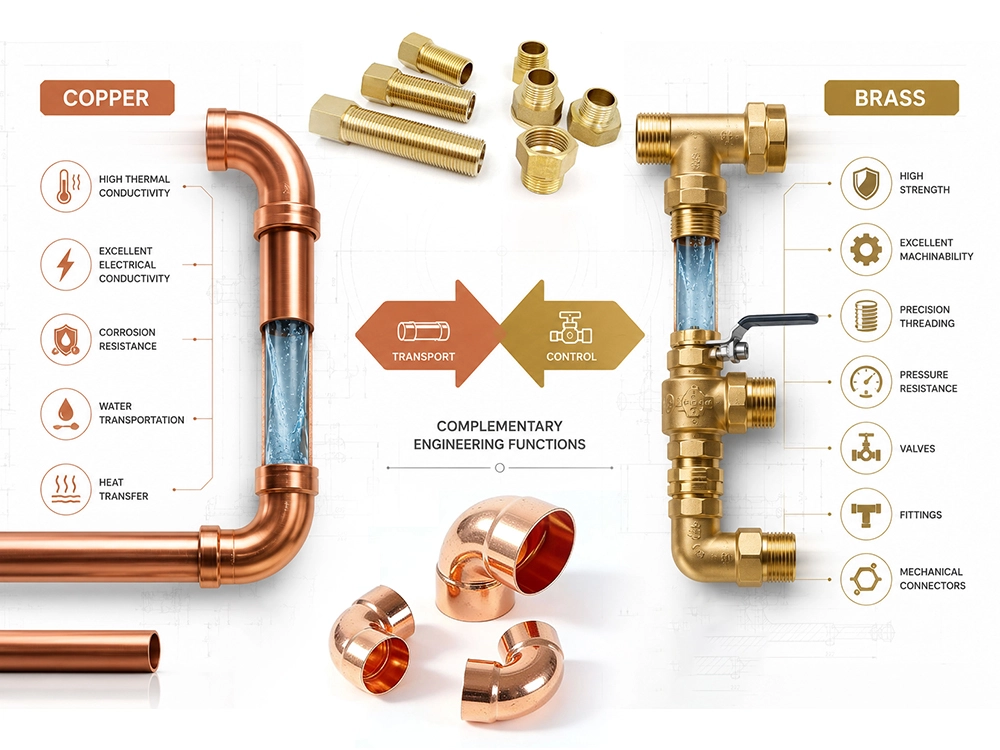
Brass vs. Copper Plumbing: Which Material Should You Specify for Pipes, Fittings, and Valves? Choosing between brass and copper for a plumbing system is not simply a matter of material cost. The right choice depends
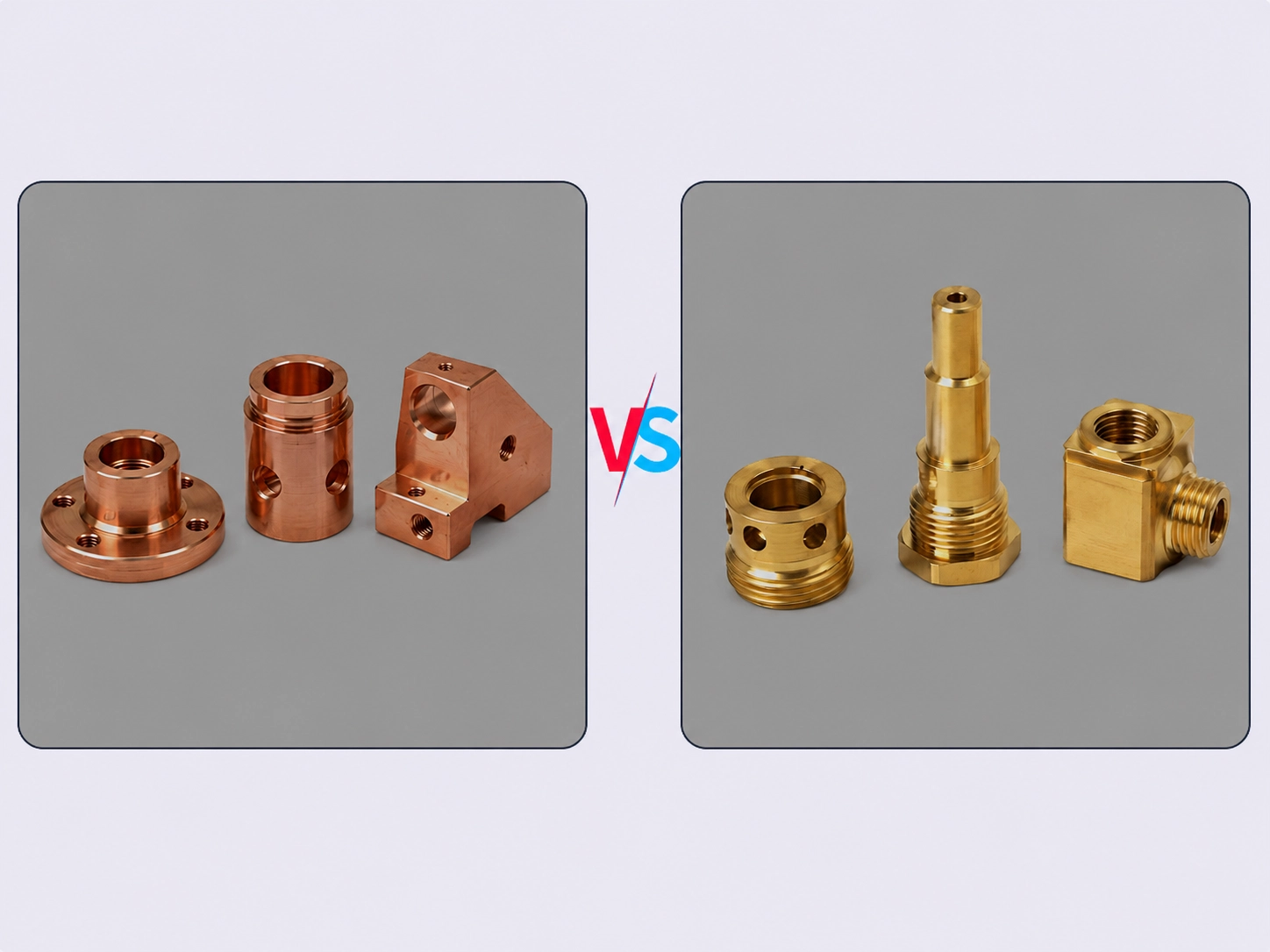
Brass vs. Copper: Which Should You Choose for Your Project? Two of the most common materials in precision manufacturing — here’s how they actually compare, and when each one wins. If you only have ten
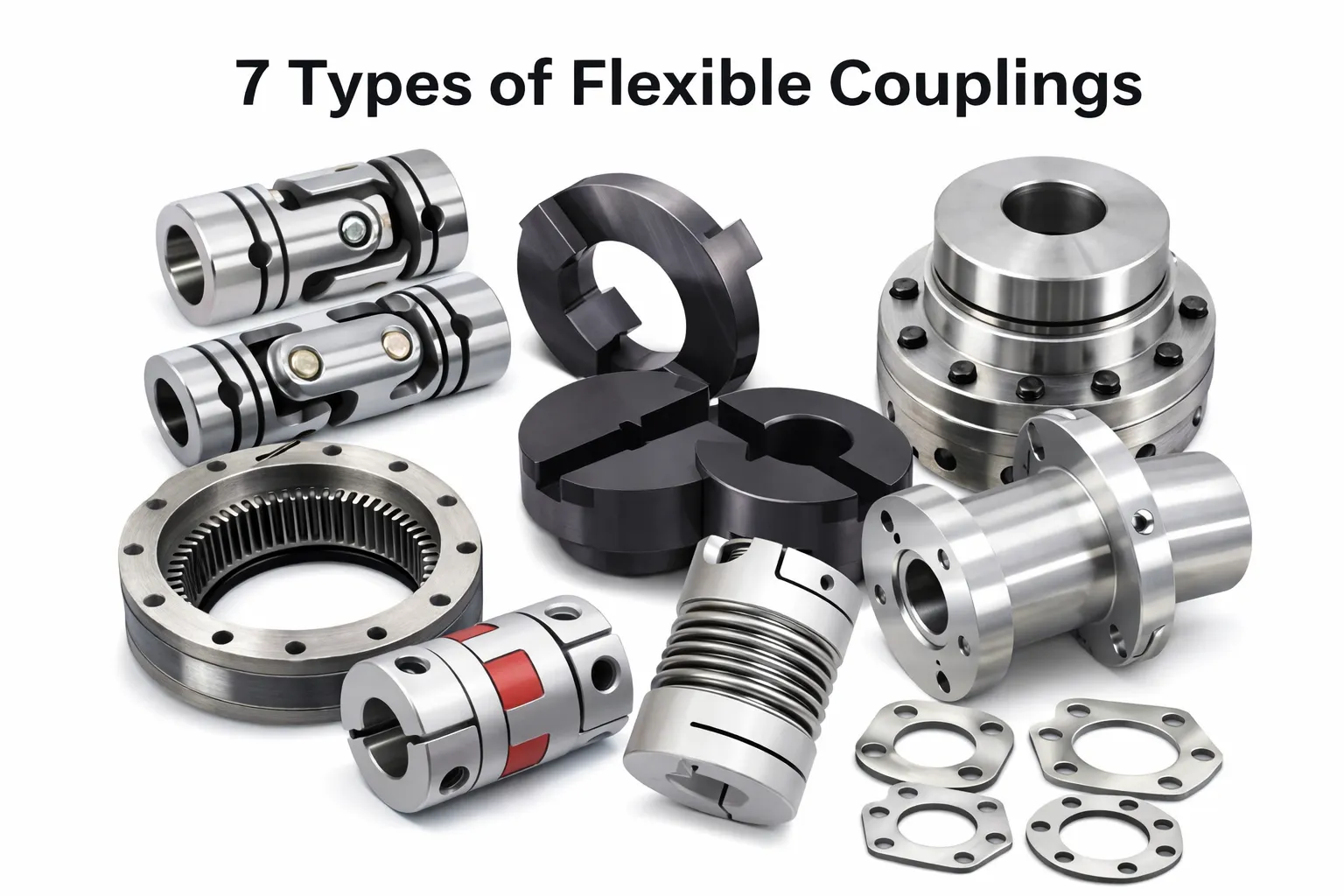
Flexible couplings are mechanical connectors that join two rotating shafts while tolerating misalignment, absorbing shock/vibration, and transmitting torque with controlled flexibility. In this guide, you’ll learn the 7 most common types of flexible couplings (jaw, disc, gear, grid, elastomeric, Oldham, beam), their pros/cons, a high-signal comparison table, a 5-step selection workflow, plus how Chiheng Hardware CNC-machines custom hubs/spiders/flanges/disc packs for OEM and replacement needs. Wrong coupling selection is a top cause of bearing failure, seal leakage, shaft fatigue, overheating, and unexpected downtime—so use this page as a practical selection reference.
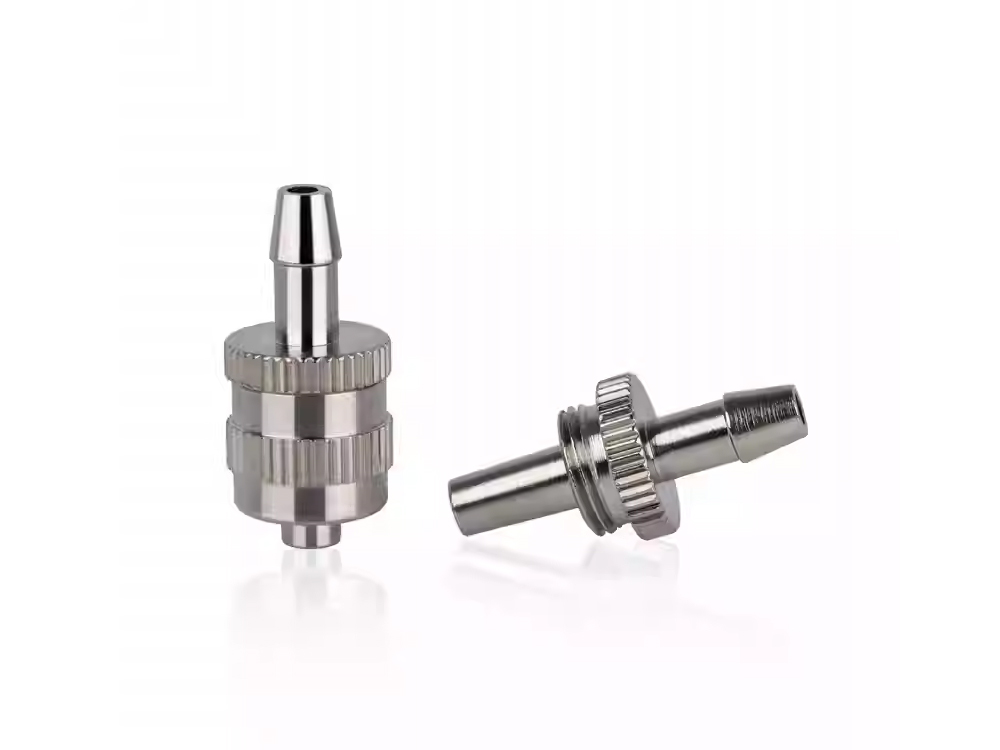
What Is Tight Tolerance in CNC Turning? A Guide to Precision Machining Cylindrical Parts From aerospace components to medical devices—precision is not merely a requirement; it is the definition of functionality. For procurement officers, sourcing
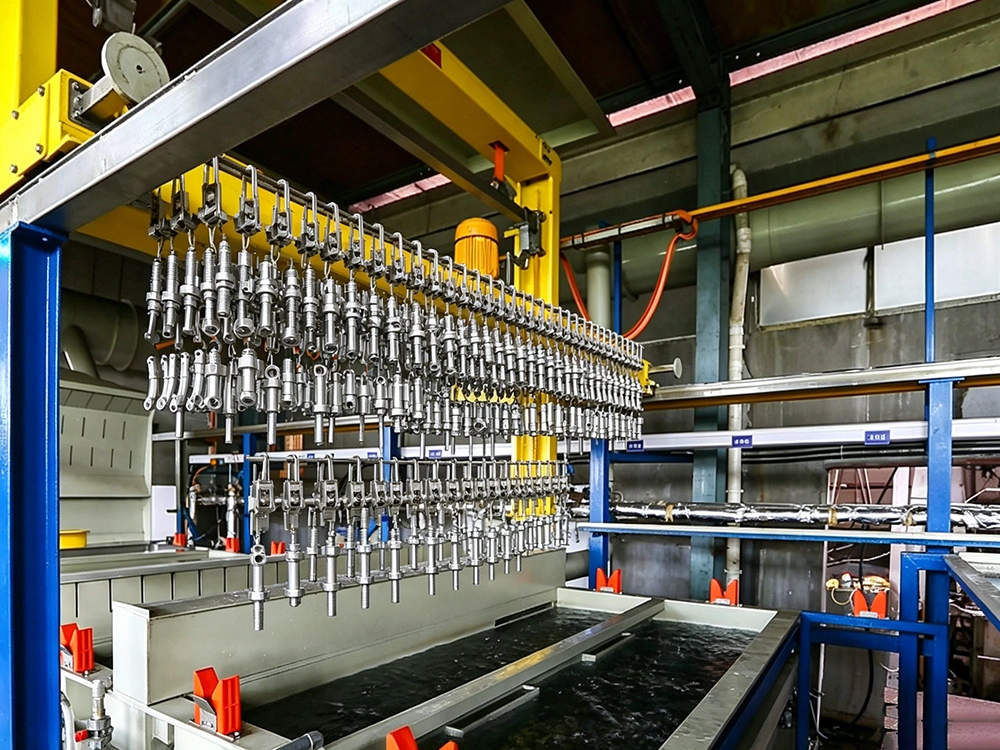
Custom Electroplating Solutions for Corrosion Resistance: Processes, Benefits, and Finishes Like Zinc, Nickel, and Chrome “Looking for Turned Parts Electroplating Finishing Services?” Here top-quality turned parts electroplating solutions tailored for durability and precision. Our guide
What Are the Melting Points of Metals, and Why Do They Matter in CNC Machining? As an engineer with over a decade of hands-on experience in precision manufacturing, I’ve often found myself knee-deep in the
A mechanical coupling is a component used to connect two shafts (power transmission) or join piping sections (fluid transfer) so torque or flow can pass safely and efficiently. In general, mechanical couplings fall into two big families: rigid coupling (high stiffness, near-zero misalignment allowance) and flexible coupling (designed to tolerate misalignment and reduce vibration). Choosing the right coupling matters because it directly affects bearing life, vibration, backlash, and CNC machining accuracy—especially in high-speed spindles, servo systems, pumps, and precision assemblies.
You can send us any questions to get any information you would like to know, and we will respond to you in extremely short time.